
It’s a challenging time trying to keep the family bills under control, but your pet’s food is also seeing the effects of inflation.
Drop the brand
We often believe our pets are fussy about the brands they will and won’t eat. But when times are tight, you are likely to have to persist with ownbrand versions and anything you can pick up from cheaper supermarkets. Any food labelled as ‘complete’ gives a nutritionally balanced diet for the species it is made for. ‘Complementary’ food will only provide part of the nutrients your pet needs to be healthy. One option could be to mix a cheaper food with the usual product you buy, to ease the transition.
Kibble vs fresh
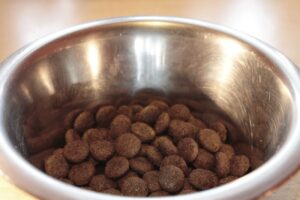
Bags of dry food are typically more expensive at the point of purchase, because you are buying in bulk, but the overall cost will be lower so it’s worth investigating.
Subscription services
There are a number of companies offering subscription services. These are great for no waste and it’s worth noting they’ll often have signup offers. That way you can see if your pet likes what’s delivered to you and save on the cost for a few weeks too.
Food banks
Nobody wants to do it, but if times really are tight, needs must. Both the RSPCA and Blue Cross have details of their food banks on their websites.

